What Is Crepey Skin
Crepey skin looks thin, wrinkled, and papery — like crepe paper. It's different from regular wrinkles and requires a specific treatment approach. Here's what you need to know.
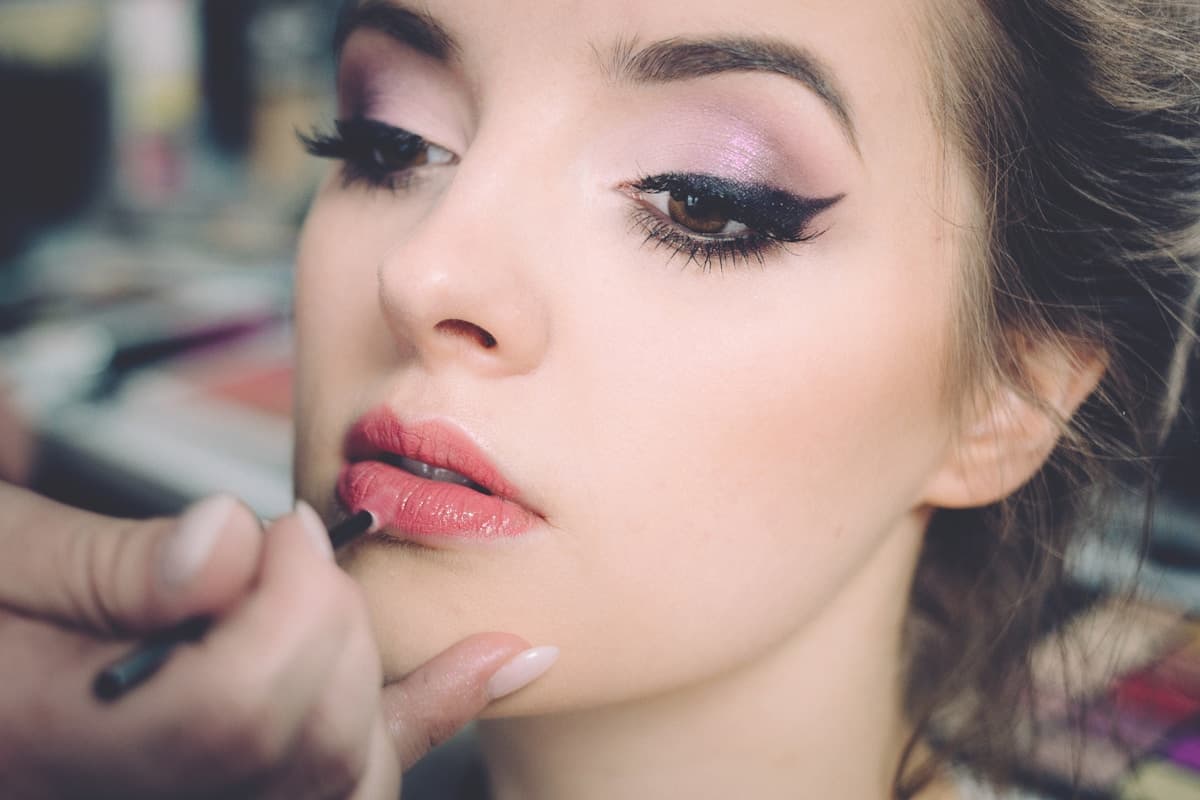
Crepey skin is a textural change — not just wrinkling — where skin becomes thin, fragile, and finely wrinkled across a broad area. Unlike a single deep wrinkle, crepey skin affects large zones like the neck, chest, upper arms, and under the eyes, creating an overall papery appearance.
The root cause is elastin fiber breakdown. Elastin gives skin its snap-back quality. When these fibers degrade — from sun damage, aging, rapid weight loss, or certain medications — skin loses elasticity and begins to sag and crinkle rather than bounce back.
Crepey skin commonly appears after 40 and accelerates after menopause due to estrogen's role in maintaining dermal thickness. Areas with the thinnest skin (neck, décolletage, inner arms) are most vulnerable because they have less collagen reserve to begin with.
Dehydration makes crepey skin look dramatically worse. Hyaluronic acid production declines with age, reducing the skin's ability to hold water. Well-hydrated crepey skin looks noticeably smoother than dehydrated crepey skin — which is why moisturizers provide immediate (if temporary) improvement.
Treatment requires a multi-layered approach: daily SPF to prevent further damage, retinoids to thicken the epidermis, hyaluronic acid and ceramides for hydration, and for moderate-to-severe cases, professional treatments like radiofrequency microneedling, Ultherapy, or biostimulatory fillers that rebuild collagen from within.
Next: Skin test
Get your free skin score
Take the free skin test for women over 50 — your personalized morning and evening routine in under 2 minutes.
Take Free AI Skin Test